Cheyenne Top Drywall Installation: Trusted Drywall Contractors for Residential and Commercial Projects for Homeowners
Professional Drywall Setup for a Perfect Finish
Professional wall finishing is often neglected in building projects. Yet, it plays an essential role in achieving a sophisticated finish. Skilled contractors guarantee precise measurements and flawless results, which can substantially influence both aesthetics and strength. Comprehending the details of this method is essential for any homeowner or builder. What are the primary benefits of hiring experts? And how can one avoid common pitfalls in DIY drywall undertakings?
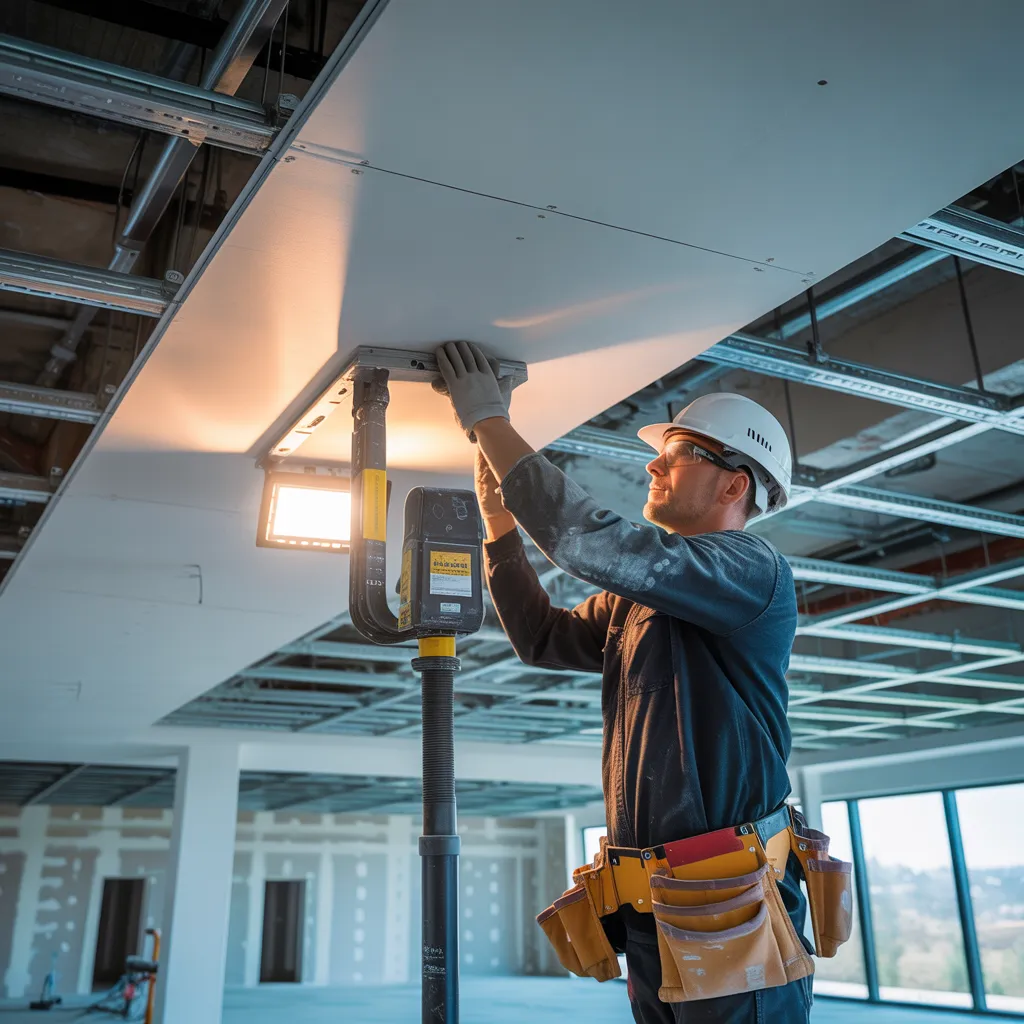
Why Qualified Drywall Installation Is Indispensable for Your Endeavor
While some property owners may think about a DIY method to drywall setup, the expertise of experts often proves essential for attaining excellent results. Proper drywall placement demands a keen knowledge of materials, techniques, and tools that many DIY fans may be without. Professionals provide years of expertise, allowing them to handle complicated tasks such as gauging, cutting, and installing drywall with accuracy.
Furthermore, they excel at managing unforeseen problems, including uneven surfaces or structural challenges, which may emerge throughout the installation stage. Their grasp of local building codes guarantees that the labor complies with safety protocols, circumventing future problems. Additionally, specialists can execute assignments more efficiently, conserving residents valuable hours and minimizing the chance of expensive errors. In the end, contracting qualified contractors not only upgrades the quality of the final result but also facilitates a smoother and more stress-free project journey.
Top Benefits of Hiring Experienced Contractors
Retaining qualified contractors for drywall installation delivers extensive advantages that can markedly boost the overall project outcome. To begin, their skill guarantees exact measurements and cuts, lessening material waste and reducing costs. Experienced contractors furthermore possess detailed knowledge of local building codes and regulations, confirming compliance and minimizing the risk of costly rework.
In addition, proficient professionals contribute efficiency to the project, often performing installations in a condensed period it would take an inexperienced crew. Their mastery of different instruments and methods enables seamless workflows and exceptional performance.
Moreover, hiring seasoned contractors ensures reassurance, as they typically possess insurance protection and guarantees, protecting homeowners from unforeseen complications. In the end, opting for seasoned drywall contractors not only enhances the aesthetic appeal of the installation but also supports the work's lasting quality and resilience. This strategic choice encourages a more satisfying and successful renovation journey.
Professional Methods for Achieving a Flawless Drywall Result
Achieving a flawless drywall finish requires a combination of skill and precision. Professionals utilize several techniques to ensure ideal results. First, they meticulously measure and cut drywall sheets to reduce seams, using a utility knife for clean edges. Proper installation involves securing sheets with screws placed strategically to prevent popping.
Next, experienced installers spread joint compound in light layers, letting each coat dry fully before sanding. Sanding is necessary; using fine sandpaper helps achieve a smooth surface while avoiding damage to the drywall.
In addition, professionals utilize tools like drywall knives to apply joint compound uniformly, guaranteeing smooth transitions between sheets. They frequently suggest feathering the borders for a more blended finish. Finally, a well-lit work area helps with identifying flaws, enabling timely corrections. By adhering to these methods, drywall specialists can achieve an superior, flawless surface that improves the visual appeal of any space.
Tips for Selecting the Best Drywall Contractor
Picking the appropriate drywall professional can notably shape your project's caliber. To achieve a desired outcome, property owners must stress professionals with robust credentials and glowing reviews. Examining online evaluations and asking for suggestions from loved ones can supply important insights.
It is also necessary to authenticate the contractor's licenses and insurance, as this ensures both parties are protected in case of accidents. Obtaining comprehensive estimates from multiple contractors can help contrast pricing and options, allowing for knowledgeable choices.
Moreover, effective dialogue is vital; contractors should demonstrate quick responses and clarity regarding timelines and project expectations. Speaking with former clients can reveal the contractor's reliability and work ethic. Finally, reviewing the contractor's portfolio can showcase their expertise and suitability for specific project needs. By following these guidelines, homeowners can select a drywall contractor that meets their requirements for a high-quality finish.
Typical DIY Drywall Issues to Stay Away From
When undertaking DIY drywall fitting, several standard mistakes can interfere with the final result. Incorrect measurement techniques can lead to misaligned panels, while limited joint taping may cause noticeable seams and cracks. Recognizing these pitfalls is critical for achieving a expert finish.
Incorrect Measurement Techniques
Many do-it-yourself enthusiasts underestimate the importance of accurate measurements in drywall installation, which can lead to costly mistakes. Inaccurate measurements may result in improperly sized associated article drywall sheets, requiring additional cuts or patches, which compromise the overall finish. Moreover, miscalculations can lead to excess materials, increasing project costs and time. A common error is failing to account for obstacles like electrical outlets or windows, resulting in poorly fitting pieces. Additionally, neglecting to double-check measurements before cutting can worsen these issues. To avoid these pitfalls, it is essential for DIYers to invest time in accurate measuring techniques, using reliable tools and methods. This attention to detail not only enhances the quality of the installation but also contributes to a more professional-looking result.
Inadequate Joint Sealing
Neglecting correct joint taping is a common mistake among DIY drywall installers. Insufficient taping can lead to noticeable seams and imperfections, detracting from the overall appearance of the wall. Many beginners undervalue the importance of applying enough tape and mud to create a smooth finish. Skipping the embedding process can result in bubbles and uneven surfaces, weakening the integrity of the installation. Additionally, failing to feather the edges properly can leave noticeable ridges that are difficult to conceal during painting. For ideal results, it is essential to use the right type of tape and apply multiple layers of joint compound, ensuring each layer is adequately dried and sanded before moving on to the next. This attention to detail is vital for a professional finish.
Learning What Happens During Your Drywall Installation
Installing drywall can serve as a renewing step for any space, providing a new canvas for design. Homeowners can expect a multi-step process that begins with a thorough assessment of the space. Professional installers calculate and custom-fit drywall sheets to fit, guaranteeing waste. The installation typically involves fastening the sheets to wall studs or ceiling joists using nails.
Once the drywall is in place, the next step is joint taping and mudding, which produces a seamless finish. This stage requires skill to prevent visible seams and imperfections. After the mud cures, grinding is essential to achieve a smooth surface, preparing it for painting or finishing. Throughout the process, homeowners may notice dust and noise, as well as the professionals working efficiently to minimize disruption. Clear communication with the installers regarding timelines and expectations ensures a smooth experience from start to finish.
Strategies for safeguarding Your Drywall to guarantee long-lasting performance
Keeping drywall in proper shape is important for maintaining its longevity and appearance. Consistent inspections and speedy repairs can prevent minor problems from turning into major problems. Furthermore, applying proper cleaning techniques helps safeguard the finish and structural soundness of the drywall throughout time.
Regular Inspections and Maintenance
Regular checks and timely repairs are crucial for ensuring the longevity of drywall. Homeowners should perform regular inspections for fractures, water damage, or indicators of mold. Identifying issues early can prevent more severe damage and costly repairs. If any imperfections are found, tackling them promptly is important. Small fractures can often be patched with joint compound, while bigger harm may require repairing or even replacing sections of drywall. Additionally, it is important to check for any moisture issues, as extended contact can weaken drywall strength. Regular maintenance not only enhances aesthetics but also preserves the structural integrity of surfaces. Establishing a schedule for these checks can greatly prolong the lifespan of drywall in any home.
Suitable Cleansing Techniques
Keeping drywall in good condition requires effective washing methods that stop dirt and grime buildup. Dusting regularly with a microfiber cloth or a light broom aids in keeping a clean surface. A blend of mild soap and water is recommended for stubborn stains; however, refraining from excessive moisture is important to prevent drywall damage. Using a soft sponge for gentle scrubbing can eliminate marks without damaging the finish. For grease or oil stains, you might need a specialized cleaner. Once cleaned, ensure the area is completely dried to stop mold growth. Regular maintenance and appropriate cleaning methods extend the lifespan of drywall, preserving its appearance and structural integrity.
Often Posed Questions
What Duration Should You Expect for Professional Drywall Installation?
Professional drywall installation typically requires one to three days, based on the assignment's size and complexity. Factors like preparation, finishing techniques, and curing periods also affect the total timeframe of the installation work.
What Charges Are Connected to Hiring a Drywall Contractor?
Costs associated with retaining a drywall contractor commonly stretch from $1.50 to $3.50 per square foot. Factors determining expenses cover labor, materials, project complexity, and location, considerably impacting total expenses for homeowners.
Drywall Installation Over Present Walls: Is It Possible?
Yes, drywall is able to be installed over old walls, provided the underlying structure is stable and meets building codes. This technique can save time and labor, but may increase wall thickness and entail adjustments to trim and fixtures.
What Substances Are Commonly Employed in Drywall Placement?
Common materials utilized for drywall installation comprise gypsum boards, joint compound, drywall tape, screws, and corner beads. Additionally, tools such as a utility knife, drywall saw, and T-square serve essential roles in the installation process.
What Particular Licenses Are Needed for Drywall Installation Jobs?
If permits are required for drywall installation copyrights on local codes. Home projects frequently require permits, particularly when structural changes are involved. Consulting local construction officials ensures full adherence with standards and safety standards during the setup stage.